

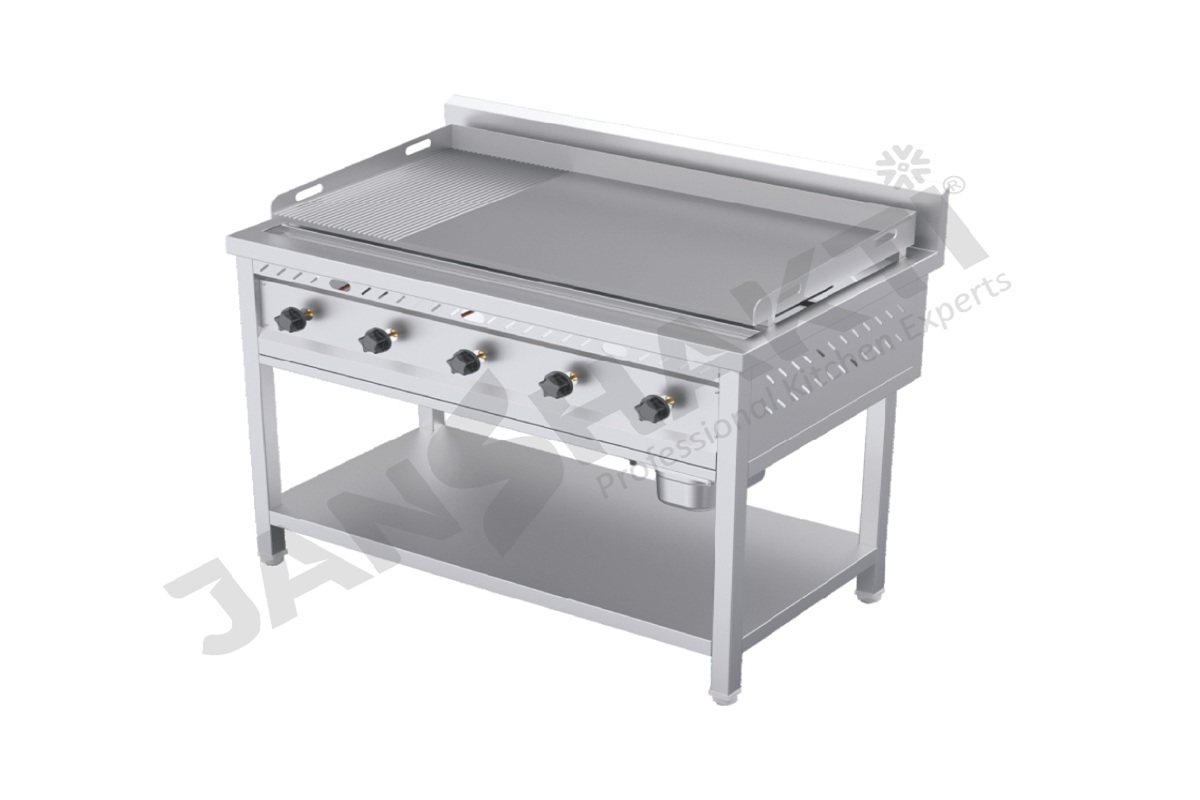
Setting up a commercial kitchen is one of the most important investments for any food business. Whether you’re opening a restaurant, café, cloud kitchen, bakery, or catering unit, the quality of your commercial kitchen equipment in India can directly influence operational efficiency, food quality, customer satisfaction, and long-term profitability.
Many business owners focus only on the purchase price. However, experienced operators understand that selecting the right equipment requires evaluating performance, durability, maintenance requirements, energy consumption, and supplier support.
This comprehensive guide explains everything you should know before investing in commercial kitchen equipment, helping you avoid costly mistakes and make informed purchasing decisions.
Quick Answer: What Should You Expect When Buying Commercial Kitchen Equipment in India?
When purchasing commercial kitchen equipment in India, you should evaluate:
- Your menu and production requirements
- Kitchen layout and available space
- Equipment durability and build quality
- Energy efficiency ratings
- Safety and food compliance standards
- Warranty and after-sales support
- Supplier reputation and expertise
- Future business growth requirements
Choosing the right equipment helps improve productivity, reduce operating costs, and create a more efficient kitchen environment.
Why Commercial Kitchen Equipment Is a Critical Business Investment
Imagine a busy Saturday evening at a restaurant. Orders are pouring in, customers are waiting, and the kitchen is operating at full capacity.
In such situations, reliable equipment becomes the backbone of the business.
Poor-quality equipment can result in:
- Service delays
- Equipment breakdowns
- Higher utility bills
- Increased food waste
- Staff frustration
- Customer dissatisfaction
On the other hand, investing in high-quality restaurant kitchen equipment creates a smoother workflow and supports business growth.
The Growing Demand for Commercial Kitchen Equipment in India
India’s food service industry continues to grow rapidly.
Several factors are driving demand for professional kitchen equipment:
- Expansion of cloud kitchens
- Growth of food delivery platforms
- Rising restaurant startups
- Increasing food safety standards
- Growing customer expectations
As competition increases, businesses require equipment that delivers consistency, efficiency, and reliability.
Before Buying Commercial Kitchen Equipment
Assess Your Menu Requirements
Let Your Menu Guide Your Equipment Selection
Every food business has different operational requirements.
For example:
Restaurants May Need
- Cooking ranges
- Tandoors
- Refrigeration units
- Food preparation stations
Cafés May Need
- Espresso machines
- Coffee grinders
- Beverage blenders
- Compact ovens
Bakeries May Need
- Planetary mixers
- Dough sheeters
- Proofing cabinets
- Convection ovens
Cloud Kitchens May Need
- Multi-purpose cooking equipment
- Compact storage solutions
- High-capacity preparation stations
Selecting equipment based on your actual menu prevents unnecessary spending.
Consider Daily Production Volume
The number of meals served daily directly impacts equipment capacity requirements.
Ask yourself:
- How many customers will I serve daily?
- What are my peak service hours?
- Will my business expand in the next few years?
Buying equipment with appropriate capacity prevents future bottlenecks.
Evaluate Available Kitchen Space
Measure Before You Buy
One of the most common mistakes is purchasing equipment before finalizing the kitchen layout.
Always consider:
- Available floor area
- Doorway dimensions
- Ventilation requirements
- Utility connections
- Future expansion plans
Design for Workflow Efficiency
A professional kitchen should include dedicated zones:
- Storage Area
- Preparation Area
- Cooking Area
- Service Area
- Cleaning Area
A well-planned workflow reduces staff movement and improves efficiency.
Key Factors to Consider When Buying Commercial Kitchen Equipment
Durability and Build Quality
Why Stainless Steel Remains the Industry Standard
Most professional kitchens prefer stainless steel because it offers:
- Corrosion resistance
- Easy cleaning
- Long service life
- Better hygiene standards
Before purchasing, inspect:
- Steel thickness
- Welding quality
- Handle strength
- Overall construction
Energy Efficiency
Energy costs significantly impact restaurant profitability.
Benefits of Energy-Efficient Equipment
- Lower electricity bills
- Faster cooking performance
- Reduced environmental impact
- Improved long-term ROI
Look for equipment with recognized energy-efficiency certifications whenever possible.
Ease of Cleaning and Maintenance
Food safety begins with cleanliness.
Choose equipment featuring:
- Smooth surfaces
- Removable components
- Easy-access maintenance panels
- Self-cleaning features where available
Regular maintenance extends equipment lifespan and minimizes downtime.
Safety and Compliance Standards
Commercial kitchens must meet strict food safety requirements.
Essential Safety Considerations
Fire Safety
- Exhaust systems
- Fire suppression systems
- Flame-resistant installations
Food Safety
- Food-grade materials
- Hygienic surfaces
- Easy sanitation processes
Employee Safety
- Ergonomic design
- Heat-resistant handles
- Rounded edges
Compliance protects both employees and customers.
Warranty and After-Sales Support
Why Service Support Matters
Even premium equipment occasionally requires maintenance.
Before purchasing, verify:
- Warranty coverage duration
- Service response times
- Spare part availability
- Annual Maintenance Contract (AMC) options
Reliable after-sales support can save significant operational costs.
How to Choose the Right Commercial Kitchen Equipment Supplier
Evaluate Supplier Reputation
Look for suppliers with:
- Proven industry experience
- Positive client reviews
- Successful project portfolios
- Strong customer support systems
Request references whenever possible.
Ask for Professional Consultation
Experienced suppliers often help with:
- Kitchen layout planning
- Equipment recommendations
- Utility planning
- Workflow optimization
This guidance is especially valuable for first-time buyers.
Compare Value, Not Just Price
The cheapest equipment is rarely the most economical.
Instead, evaluate:
| Factor | Why It Matters |
| Initial Cost | Purchase investment |
| Durability | Equipment lifespan |
| Energy Efficiency | Monthly savings |
| Maintenance | Long-term costs |
| Service Support | Reduced downtime |
Focus on total ownership cost rather than purchase price alone.
Indian Equipment vs Imported Equipment
| Feature | Indian Equipment | Imported Equipment |
| Cost | Lower | Higher |
| Spare Parts | Easily Available | Often Limited |
| Service Support | Faster | May Take Longer |
| Customization | High | Limited |
| Specialty Features | Moderate | Advanced |
For most restaurants, Indian-made equipment provides excellent value and easier maintenance.
Common Mistakes to Avoid
Avoid these costly mistakes:
❌ Buying solely based on price
❌ Ignoring maintenance requirements
❌ Overlooking energy consumption
❌ Failing to plan kitchen workflow
❌ Choosing suppliers without service support
❌ Purchasing oversized equipment
❌ Ignoring future expansion needs
Commercial Kitchen Equipment Buying Checklist
Before making a purchase, confirm the following:
✔ Equipment matches menu requirements
✔ Kitchen layout is finalized
✔ Budget includes installation and maintenance
✔ Energy efficiency has been evaluated
✔ Safety compliance requirements are met
✔ Warranty terms are understood
✔ Supplier reputation has been verified
✔ Future growth has been considered
Frequently Asked Questions
1. What is the most important factor when buying commercial kitchen equipment in India?
Durability, after-sales service, energy efficiency, and supplier reputation are among the most important factors.
2. How much does a commercial kitchen setup cost in India?
Costs vary based on kitchen size and equipment requirements. Small setups may start around ₹5 lakh, while larger commercial kitchens can exceed ₹50 lakh.
3. Is stainless steel the best material for commercial kitchen equipment?
Yes. Stainless steel offers superior durability, hygiene, corrosion resistance, and ease of maintenance.
4. Should I buy imported or Indian-made kitchen equipment?
For most businesses, Indian-made equipment provides better value, easier servicing, and faster access to spare parts.
5. Why is after-sales support important?
Prompt service support minimizes downtime, protects productivity, and reduces unexpected repair expenses.
Final Thoughts
Buying commercial kitchen equipment in India is more than a purchasing decision—it’s an investment in the future of your food business.
The right equipment improves efficiency, enhances food quality, reduces operational costs, and creates a safer, more productive working environment for your staff. Whether you’re launching a new restaurant, expanding a café, or upgrading a cloud kitchen, every equipment decision plays a crucial role in your long-term success.
Before making a purchase, carefully evaluate your menu requirements, kitchen layout, budget, growth plans, and supplier expertise. Partnering with an experienced manufacturer can help you avoid costly mistakes and ensure your kitchen is built for performance and scalability.
With years of industry experience, Janshakti Kitchen Solutions Pvt Ltd has helped restaurants, hotels, cafés, bakeries, and institutional kitchens across India create efficient, reliable, and future-ready commercial kitchen setups. By choosing quality equipment and expert guidance, you can build a kitchen that supports your business growth for years to come.
Ready to Build Your Commercial Kitchen?
Need expert guidance on selecting the right commercial kitchen equipment?
Contact Janshakti Kitchen Solutions Pvt Ltd for:
- Commercial kitchen consultation
- Custom kitchen design
- Equipment selection assistance
- Installation support
- Maintenance solutions
Get a customized quote today and build a kitchen designed for performance, efficiency, and growth.
