

Introduction
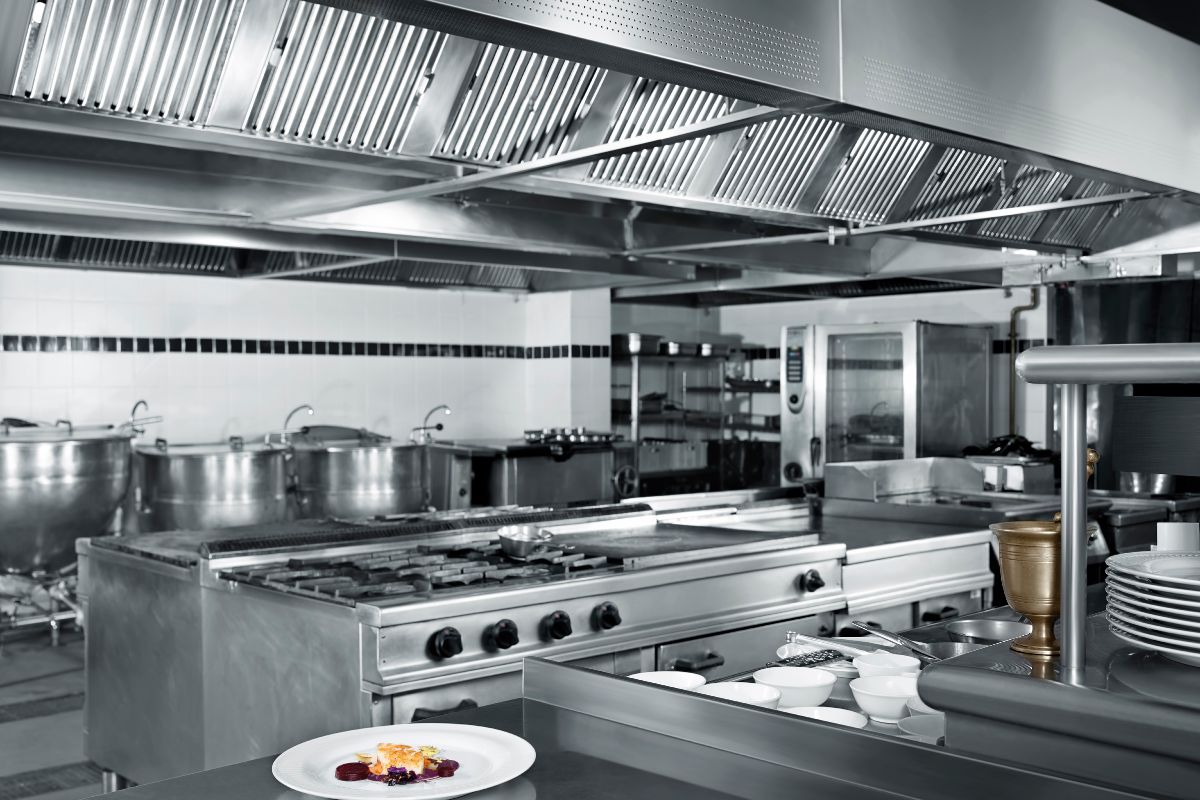
In modern commercial kitchens, an efficient hotel kitchen equipment layout is crucial for smooth operations. Poorly organized kitchens often lead to workflow bottlenecks, longer prep times, and safety hazards, affecting both staff productivity and customer satisfaction. By strategically arranging cooking, refrigeration, and cleaning equipment, kitchens can achieve higher efficiency, better hygiene, and cost-effectiveness. With innovative commercial kitchen solutions, quality kitchen equipment, and smart cooking equipment in kitchen, restaurants and hotels can optimize their workspace and ensure seamless operations during peak hours.
Why Hotel Kitchen Equipment Layout Matters
Enhances Kitchen Workflow
- Smooth movement between prep, cooking, and plating stations reduces delays.
- Minimizes cross-contamination, keeping hygiene standards high.
- Helps staff operate efficiently during peak hours.
Reduces Operational Costs
- Optimal layout lowers energy consumption by reducing unnecessary equipment use.
- Prevents wear and tear on commercial kitchen equipment, lowering repair costs.
- Reduces frequent maintenance, improving long-term operational efficiency.
Key Factors to Consider Before Designing a Kitchen Layout
Kitchen Size and Space Utilization
- Ensure hotel kitchen equipment fits comfortably without overcrowding.
- Plan distinct zones for storage, prep, cooking, and dishwashing.
- Consider future expansion or upgrades with trusted kitchen equipment suppliers in India.
Menu and Cooking Requirements
- Identify equipment needs based on cuisine style and menu complexity.
- Multi-purpose appliances save space and reduce investment.
- Factor in peak-hour volume and banquet services.
Safety and Accessibility
- Maintain safe distances between heat sources, counters, and walkways.
- Ensure compliance with fire safety and emergency access.
- Equipment must be easily accessible for cleaning and maintenance.
Types of Hotel Kitchen Equipment and Their Placement
Cooking Equipment
- Includes stoves, ovens, grills, and fryers.
- Place near prep stations but away from entry/exit zones.
- Ensure proper ventilation and exhaust for smoke and heat removal.
Refrigeration and Storage
- Walk-in refrigerators, freezers, and dry storage cabinets.
- Position close to prep areas for easy ingredient access.
- Maintain spacing to avoid workflow blockages.
Dishwashing and Cleaning Stations
- Includes sinks, dishwashers, and waste disposal units.
- Segregate from cooking zones to maintain hygiene.
- Ensure easy access to water lines and drainage.
Workflow Optimization Strategies
Use of Work Zones
- Divide kitchen into prep, cooking, plating, and cleaning zones.
- Keep necessary hotel kitchen equipment close at hand.
- Reduces movement and prevents cross-contamination.
Equipment Placement Tips
- Place heavy or frequently used equipment at waist level for ergonomics.
- Utilize vertical storage to save floor space.
- Group similar appliances for efficiency.
Technology Integration
- Smart appliances monitor temperature and cooking times.
- Digital displays assist in order tracking and inventory management.
- Reduces errors and improves speed during peak hours.
Common Layout Mistakes to Avoid
- Overcrowding equipment or underutilizing vertical space.
- Ignoring workflow from ingredient storage to plating stations.
- Placing hot and cold zones too close, causing inefficiency.
- Poor lighting or ventilation impacting safety and comfort.
- Not consulting experienced kitchen equipment suppliers in India.
Choosing the Right Suppliers and Manufacturers
Supplier Selection Criteria
- Ensure hotel kitchen equipment meets quality standards with a warranty.
- Choose suppliers experienced in commercial kitchen equipment installations.
- Check for timely delivery and installation support.
Benefits of Local Manufacturers
- Quick support from kitchen equipment manufacturers Ahmedabad.
- Lower shipping costs and easier maintenance.
- Access to customized solutions for your kitchen layout.
Maintenance and Safety Considerations
- Schedule regular servicing for cooking, refrigeration, and cleaning equipment.
- Train staff on safe operation to prevent accidents.
- Maintain emergency plans and fire suppression systems.
Conclusion & Call-to-Action
Efficient hotel kitchen equipment layout directly impacts workflow, productivity, and operational costs. Proper planning—from equipment placement to supplier selection—ensures smooth operations and high-quality service. Avoid common mistakes like overcrowding, poor workflow, or neglecting maintenance.
Partner with trusted brands like Janshakti Kitchen Solutions Pvt Ltd for quality kitchen equipment, customized commercial solutions, and reliable support.
CTA: Assess your kitchen space today and consult experienced commercial kitchen equipment manufacturers in Ahmedabad to optimize layout, enhance workflow, and maximize efficiency.
FAQs
1. Why is an efficient hotel kitchen equipment layout important?
An efficient hotel kitchen equipment layout ensures smooth workflow, reduces prep time, and minimizes cross-contamination, boosting productivity and customer satisfaction.
2. How does the layout affect kitchen workflow?
A well-planned layout creates clear work zones, reduces unnecessary movement, and ensures equipment is within easy reach, improving speed and efficiency.
3. What should I consider when choosing hotel kitchen equipment?
Focus on quality, durability, energy efficiency, menu needs, and supplier reliability. Multi-purpose appliances save space and reduce costs.
4. How can I reduce operational costs with hotel kitchen equipment?
Optimized layouts reduce energy use, prevent overuse of equipment, and lower repair or replacement costs over time.
5. Can small kitchens benefit from workflow optimization?
Yes. Even compact kitchens can maximize efficiency with vertical storage, modular appliances, and well-planned work zones.
6. How do I select the right suppliers for commercial kitchen equipment?
Choose suppliers experienced in hotel kitchen equipment, offering warranty, timely delivery, and installation support. Local manufacturers provide faster service.
7. What are common layout mistakes to avoid?
Overcrowding, poor workflow planning, mixing hot and cold zones, and neglecting ventilation or lighting can reduce efficiency.
8. How important is maintenance for hotel kitchen equipment?
Regular maintenance ensures consistent performance, prevents costly repairs, and extends the lifespan of equipment while maintaining hygiene.
9. Can workflow optimization improve food quality?
Yes. Proper equipment placement and workflow reduce delays and cross-contamination, ensuring consistent taste, temperature, and presentation.
10. Is technology integration worth it in hotel kitchens?
Smart appliances, order tracking, and inventory management improve speed, accuracy, and efficiency during peak service hours.
11. Should I consult a professional designer for my kitchen layout?
Yes. Experts ensure optimal workflow, proper equipment placement, safety compliance, and future scalability.
12. How do I ensure my kitchen layout adapts to future needs?
Plan modular zones, flexible workstations, and scalable appliances. Trusted suppliers can provide solutions for future upgrades.
