

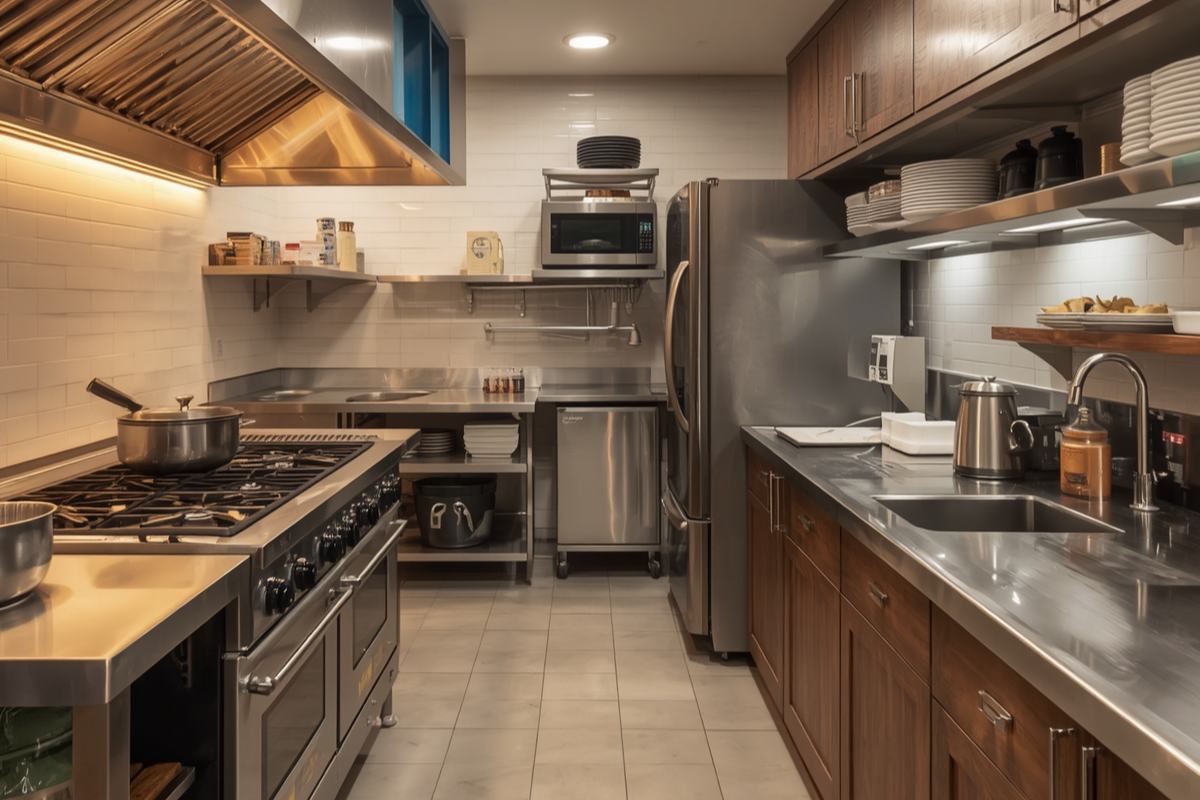
Introduction
The role of cooking equipment in kitchen has completely evolved in recent years across India. Kitchens today are no longer just cooking spaces—they are performance-driven systems where speed, hygiene, and efficiency directly impact success.
Whether it’s a home kitchen preparing daily meals, a restaurant serving hundreds of customers, or a cloud kitchen handling online orders, the right equipment decides how smoothly operations run.
Many businesses still make the mistake of choosing equipment based only on price. But in real operations, poor selection leads to higher costs, frequent breakdowns, and inefficient workflow.
This guide explains everything in a practical, real-world way so you can make informed decisions and build a more efficient kitchen setup.
Why Cooking Equipment in Kitchen Matters More Than Ever in 2026
How modern Indian kitchens are changing
Indian kitchens are rapidly transforming due to changing lifestyles and business models:
- Rise of cloud kitchens and delivery-first restaurants
- Shift from traditional cooking to hybrid gas and electric systems
- Increasing demand for energy-efficient kitchen appliances
- Focus on speed, hygiene, and automation
Today, even small food businesses rely on structured kitchen systems instead of basic tools.
Why wrong equipment choice creates daily problems
Incorrect kitchen equipment selection can severely affect operations:
- Increased electricity and gas bills
- Slow cooking during peak hours
- Frequent equipment breakdowns
- Inconsistent food quality
- Reduced staff efficiency
Many restaurant owners only realize the importance of equipment after facing operational losses during peak service hours.
Types of Cooking Equipment in Kitchen (Home vs Commercial Use)
Basic cooking equipment in Indian home kitchens
- Gas stove or induction cooktop
- Pressure cooker
- Frying pan, kadhai, tawa
- Mixer grinder
- Microwave oven
These are designed for daily household cooking and convenience.
Commercial cooking equipment for restaurants and hotels
- Commercial gas ranges
- Deep fryers
- Griddles and grills
- Convection ovens
- Steam cooking systems
These are built for continuous, heavy-duty usage.
Cloud kitchen cooking equipment setup
- Compact gas ranges
- Multi-functional ovens
- High-speed fryers
- Modular stainless steel stations
Focus is on maximum output in minimum space.
Essential Cooking Equipment Every Kitchen Must Have
Core cooking equipment
- Primary heat source (gas, induction, or hybrid systems)
- Cooking vessels and utensils
- Temperature-controlled appliances
- Preparation tools
Supporting kitchen equipment
- Exhaust and ventilation systems
- Stainless steel work tables
- Storage racks
- Food warming systems
These improve hygiene and workflow efficiency significantly.
How to Choose the Right Cooking Equipment in Kitchen
Based on kitchen type
- Home kitchens → compact, energy-saving appliances
- Restaurants → durable, high-capacity equipment
- Cloud kitchens → space-efficient modular systems
Based on cooking volume and menu
- Fast food → fryers and grills
- Indian cuisine → heavy burners and tandoor systems
- Bakery → ovens and mixers
Based on budget and ROI
- Low-cost equipment → higher maintenance
- Quality equipment → long-term savings
Smart buyers focus on lifetime value, not just purchase price.
Gas vs Induction vs Electric Cooking Equipment Comparison
Gas cooking equipment
- Fast heat control
- Lower initial cost
- High dependency on gas supply
Induction systems
- High energy efficiency
- Safer for home kitchens
- Limited cookware compatibility
Electric cooking equipment
- Stable temperature control
- Higher electricity usage
- Ideal for bakeries and controlled cooking
Comparison table
| Factor | Gas | Induction | Electric |
| Cost | Low | Medium | Medium |
| Efficiency | High | Very High | Medium |
| Usage | Commercial + Home | Home + Cloud Kitchens | Bakery + Hotels |
| Maintenance | Medium | Low | High |
Common Mistakes While Buying Cooking Equipment in Kitchen
- Choosing only based on price
- Ignoring kitchen layout and workflow
- Buying oversized equipment
- Not checking energy consumption
- Ignoring warranty and service support
- No future expansion planning
These mistakes often lead to long-term operational inefficiencies.
Practical Kitchen Setup Examples (India-Based)
Small home kitchen setup
- Gas stove
- Mixer grinder
- Microwave oven
- Compact storage system
Small restaurant kitchen setup
- Commercial gas range
- Deep fryer
- Refrigerator unit
- Stainless steel table
- Exhaust system
Cloud kitchen setup
- Multi-burner cooking station
- Compact refrigeration
- Fast fryer system
- Optimized delivery workflow
Energy Efficiency and Cost Control
Impact on monthly expenses
Cooking equipment directly affects:
- Electricity consumption
- Gas usage
- Maintenance costs
Cost-saving tips
- Use energy-rated appliances
- Maintain equipment regularly
- Avoid oversized machines
- Optimize batch cooking
Maintenance Tips for Long-Lasting Equipment
Daily care
- Clean surfaces after use
- Remove grease buildup
- Check burners and switches
Monthly checks
- Inspect gas and wiring systems
- Clean exhaust system
- Test temperature control
Importance of AMC
Annual Maintenance Contracts help:
- Reduce breakdowns
- Improve safety
- Extend equipment life
Latest Trends in Cooking Equipment in Kitchen (2026)
- Smart automated kitchen systems
- Compact cloud kitchen solutions
- Hybrid gas-electric equipment
- Hygienic stainless steel kitchens
- Touchless cooking systems
How Cooking Equipment Impacts Profitability
- Faster cooking increases output
- Lower downtime improves revenue
- Energy efficiency reduces costs
- Better workflow improves productivity
- Consistency increases customer satisfaction
Real-World Insight: Kitchen Transformation Example
A small restaurant in India struggled with:
- Frequent breakdowns
- Slow service
- High gas consumption
After upgrading equipment and improving layout:
- 30–40% faster service
- Lower maintenance cost
- Better customer experience
- Higher revenue stability
Final Buying Checklist for Cooking Equipment in Kitchen
Always check:
- Kitchen size compatibility
- Equipment durability (prefer SS304 steel)
- Energy efficiency rating
- Warranty and AMC support
- Spare parts availability
- Supplier credibility
- Future scalability
Frequently Asked Questions (FAQs)
1. What is cooking equipment in kitchen?
It includes all tools and appliances used for cooking, heating, and food preparation in home and commercial kitchens.
2. What are essential cooking equipment in Indian kitchens?
Gas stoves, pressure cookers, mixers, ovens, fryers, and refrigeration units.
3. Which cooking equipment is best for restaurants?
Commercial gas ranges, fryers, grills, convection ovens, and steamers.
4. Is induction better than gas?
Induction is more energy-efficient, while gas offers better control for commercial cooking.
5. What is the cost of restaurant kitchen equipment in India?
It varies, but small setups typically start from a few lakhs.
6. How long does commercial equipment last?
Usually 8–15 years with proper maintenance.
7. Why is maintenance important?
It improves safety, performance, and lifespan.
8. What is the best material for kitchen equipment?
Stainless steel (especially SS304) is preferred.
9. Can kitchen equipment be customized?
Yes, modular and custom solutions are available.
10. What mistakes should be avoided?
Avoid price-only decisions, poor planning, and ignoring service support.
Conclusion
Choosing the right cooking equipment in kitchen is a long-term decision that directly affects efficiency, cost control, and business success.
A well-planned kitchen ensures:
- smooth workflow
- lower maintenance costs
- better food consistency
- higher profitability
For professional kitchen planning and execution, Janshakti Kitchen Solutions Pvt Ltd focuses on building practical, durable, and scalable kitchen systems designed for real-world Indian operations.
A successful kitchen is not defined by how much equipment it has—but by how reliably it performs every single day.
